The Busted Diner That Rolled Into History: How One Man's Bankruptcy Created America's Mobile Food Empire
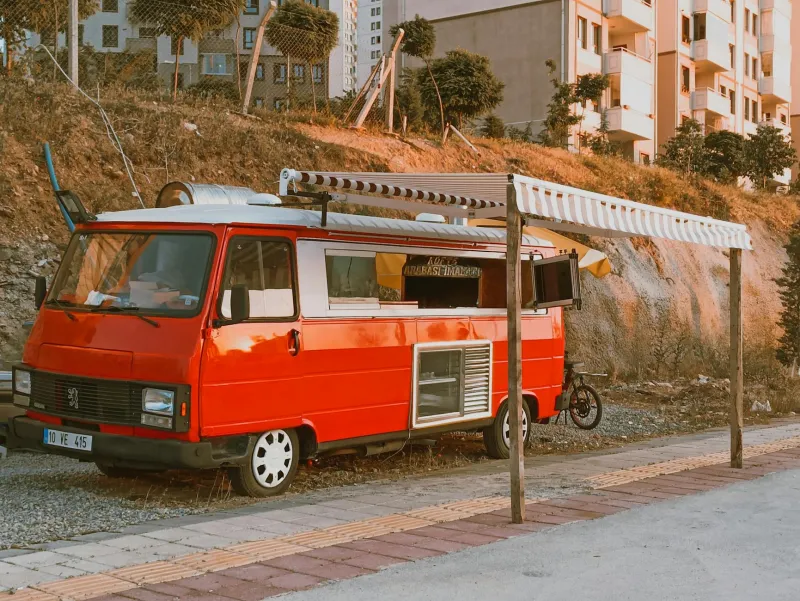
The Last Rejection
By the spring of 1974, Ray Martinez had heard "no" from every commercial landlord in East Los Angeles. His small diner had folded six months earlier, taking his life savings with it, but Martinez still believed he could cook his way back to solvency. The problem wasn't his food—customers had loved his street tacos and fresh aguas frescas. The problem was that nobody would rent him space to serve them.
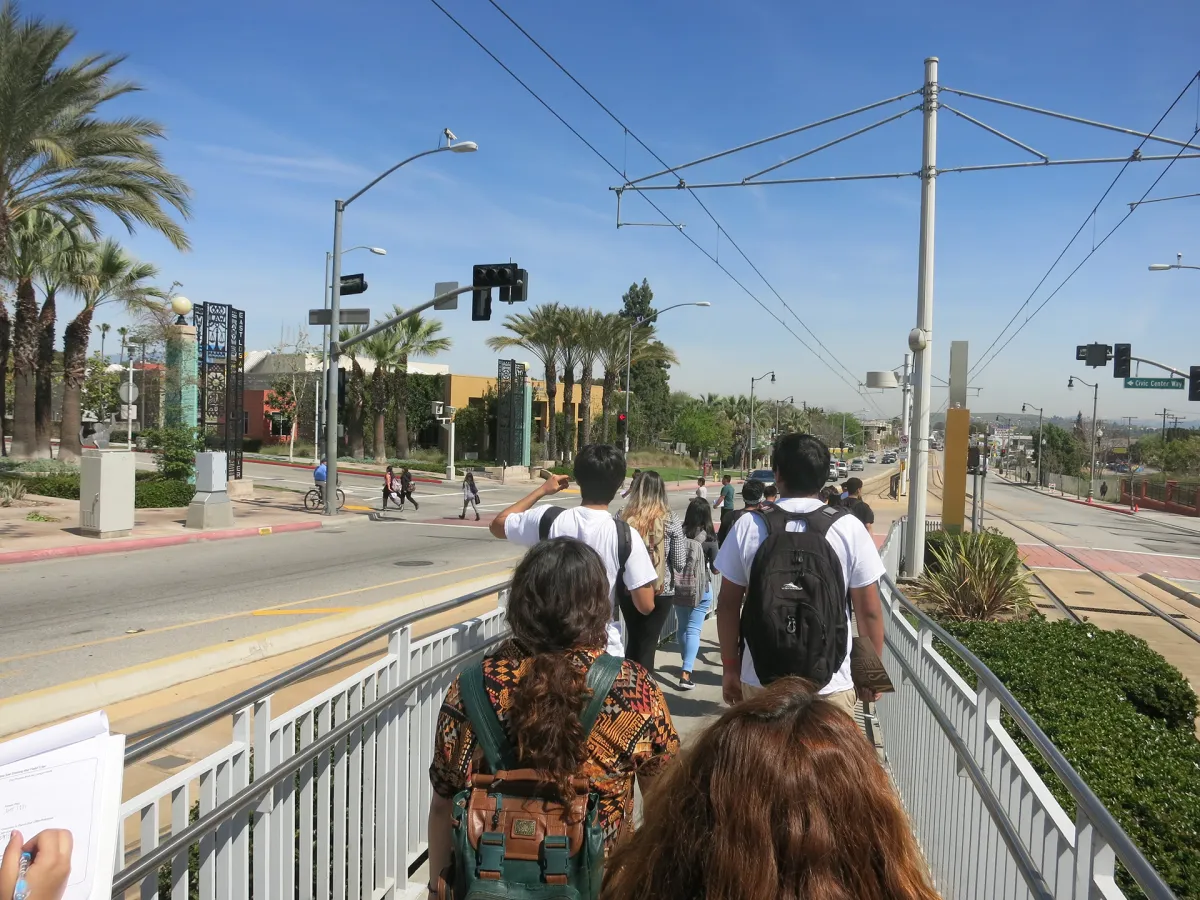 Photo: East Los Angeles, via publicmattersgroup.com
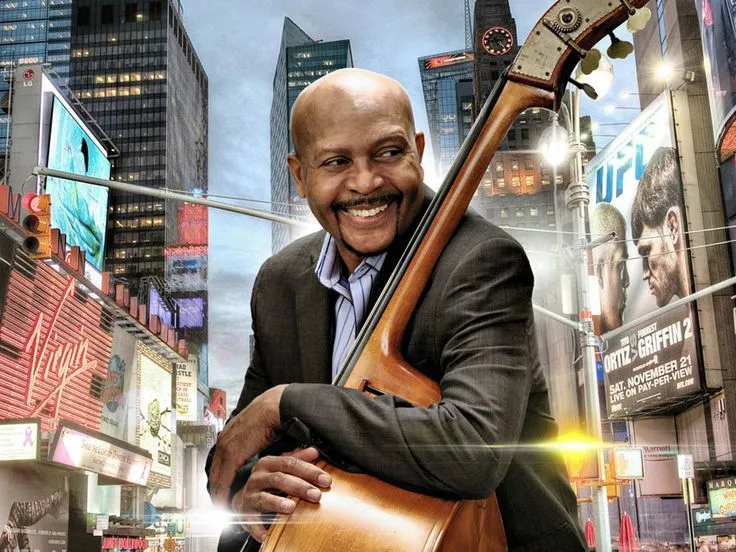 Photo: Ray Martinez, via i.pinimg.com
"Too risky," they'd say, eyeing his threadbare clothes and empty wallet. "Find a co-signer." But Martinez's family had already lost faith, and his friends had already lent what they could spare.
Sitting in his cousin's garage, staring at a broken-down 1968 Chevy delivery van that barely ran, Martinez made a decision that would accidentally launch an entire industry. If nobody would let him bring customers to his kitchen, he'd bring his kitchen to his customers.
The Desperate Conversion
Martinez had exactly $400 to his name and a van that needed $200 in repairs just to pass inspection. He spent three weeks in that garage, installing a propane burner, building wooden shelves, and rigging a small refrigeration unit powered by the van's electrical system. His "restaurant" was eight feet long and barely wide enough for one person to work.
Neighbors thought he'd lost his mind. Food trucks existed in 1974, but they were mostly ice cream vendors or catering trucks that served construction sites. The idea of a mobile restaurant serving fresh, made-to-order meals seemed absurd. "You can't run a real restaurant from a van," his brother-in-law warned.
Martinez wasn't trying to revolutionize anything. He was just trying to survive.
Finding His Route
On a Tuesday morning in June 1974, Martinez drove his makeshift kitchen to the corner of Whittier Boulevard and Atlantic Avenue, parked illegally, and started cooking. Within an hour, he had a line of customers and a parking ticket. By noon, he was sold out and had earned more money than his old diner made on its best day.
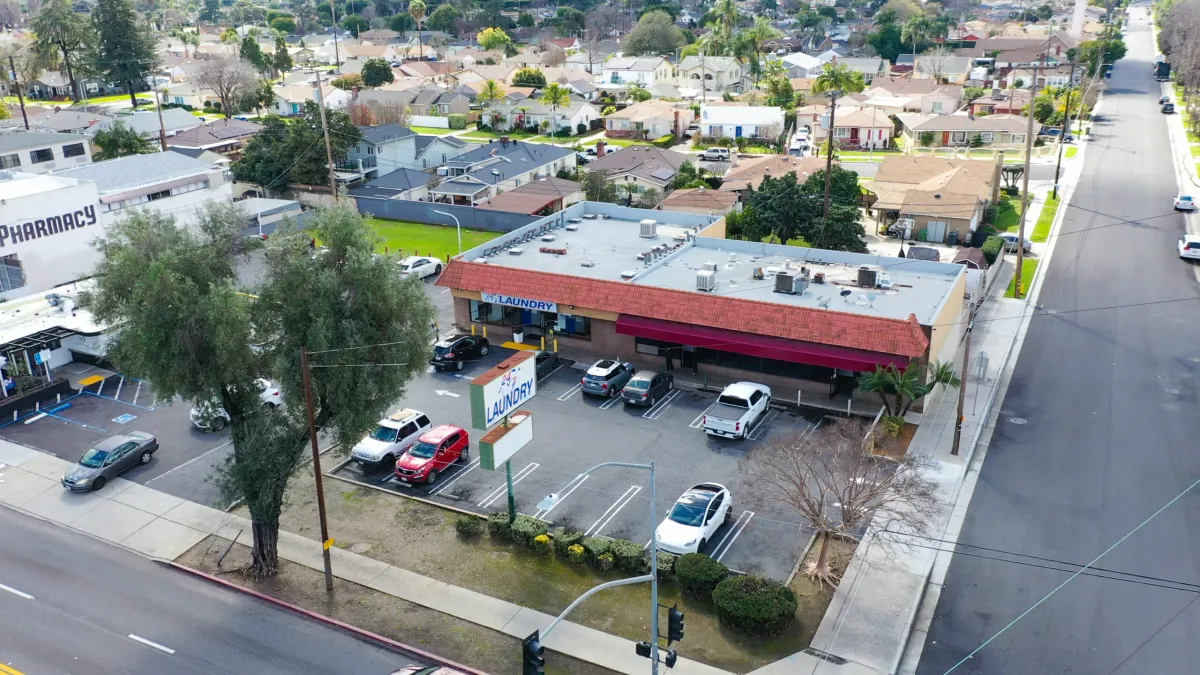 Photo: Whittier Boulevard and Atlantic Avenue, via gmpropertiesinc.com
The secret wasn't just the food—though Martinez's carnitas were legendary in the neighborhood. It was the accessibility. Office workers who couldn't leave for lunch could grab authentic tacos in five minutes. Factory workers on break didn't need to drive across town. Martinez had accidentally solved a problem nobody realized existed: how to bring restaurant-quality food directly to where people worked and lived.
Within six months, Martinez was operating three converted vans and had a waiting list of people wanting to buy franchises.
The Accidental Blueprint
Martinez never intended to create a business model. He was just a broke restaurant owner who couldn't afford rent. But his desperation-driven workaround contained all the elements that would make food trucks a billion-dollar industry: low overhead, flexible location, direct customer interaction, and the ability to test markets without massive capital investment.
More importantly, his model was accessible to exactly the kinds of entrepreneurs who were locked out of traditional restaurant ownership. Immigrants who couldn't secure bank loans for brick-and-mortar establishments could scrape together enough money for a used truck and basic equipment. Single mothers could start food businesses without hiring full-time staff. First-generation Americans could test family recipes without risking everything on a lease.
The Revolution Nobody Planned
By 1980, Los Angeles had over 200 mobile food vendors, most following variations of Martinez's model. The city initially tried to regulate them out of existence, but the economics were too compelling. Food trucks were creating jobs, serving underserved areas, and providing affordable meals during a recession.
The movement spread organically. A former Martinez employee took the concept to Phoenix. A customer who'd watched the operation moved to Denver and started his own truck. Each adaptation refined the model, but the core insight remained: mobility could be a feature, not a bug.
By the 1990s, food trucks were generating over $1 billion annually nationwide. By 2010, that number had tripled, and "gourmet food trucks" were appearing in cities across America, serving everything from Korean BBQ to artisanal grilled cheese.
The Legacy of Desperation
Ray Martinez died in 1998, having spent his later years running a small chain of traditional restaurants. He never claimed credit for inventing the modern food truck industry, and most food truck owners today have never heard his name. But his fingerprints are everywhere: in the propane setup that became industry standard, in the service window design that maximized efficiency, in the route-planning strategies that every successful truck operator uses.
Today, America's 25,000+ food trucks generate over $2.7 billion annually and employ more than 100,000 people. From Portland's famous food truck pods to New York's halal carts to Austin's taco truck culture, Martinez's desperate gamble in a East LA garage became the foundation for one of America's most democratized industries.
Sometimes the most revolutionary ideas aren't born from vision—they're born from having absolutely no other choice.