The Diner Detective: How One Waitress's Secret Notebooks Cracked the Code of American Spending

The University of the Corner Booth
Dorothy Henley never set foot in a business school, but she earned a PhD in human nature from the vinyl booths of Mel's Diner in Akron, Ohio. For fifteen years, from 1948 to 1963, she poured coffee, served apple pie, and listened to the financial confessions of steel workers, shop owners, and secretaries who treated her corner restaurant like a combination bank, therapist's office, and town square.
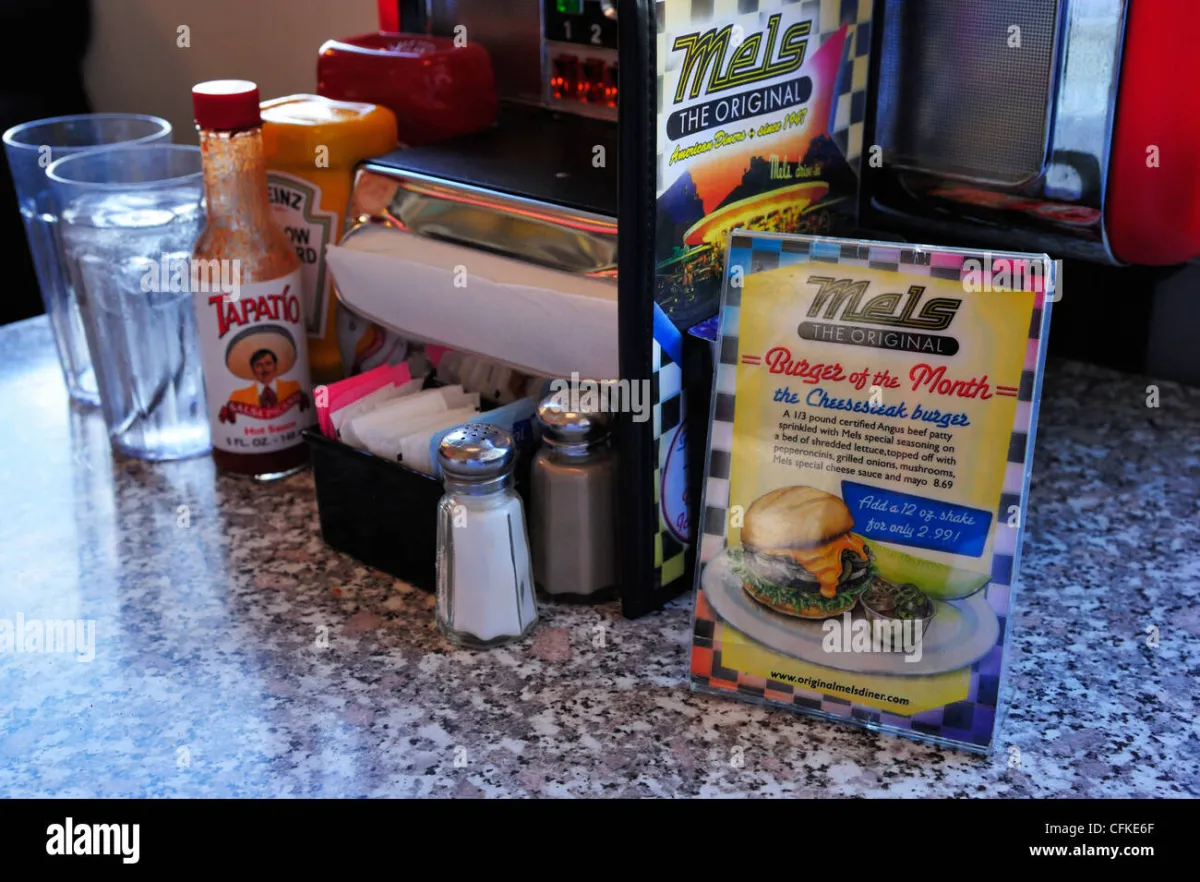 Photo: Mel's Diner, via c8.alamy.com
What made Henley different from the thousands of other waitresses working America's diners wasn't her service—though regulars swore she never forgot an order. It was the small spiral notebook she kept in her apron pocket, and her habit of filling it with observations that would eventually reshape how America thinks about money, credit, and the financial lives of ordinary people.
The Anthropologist in the Apron
Henley's notebooks began as a practical necessity. Working the breakfast and lunch shifts at Mel's meant serving the same customers day after day, and she wanted to remember their preferences. But somewhere between recording "Frank likes his eggs over easy, no butter on toast" and "Mrs. Peterson always orders decaf after 2 PM," Henley began noticing patterns that went far beyond food preferences.
She observed that customers who ordered the most expensive items on Tuesday often switched to coffee and toast by Friday. She noticed that certain regulars always paid in exact change, while others seemed to have endless crumpled bills. She watched families celebrate paydays with dessert orders, and saw the same families skip meals entirely during the last week of the month.
More intriguingly, she began documenting the conversations that happened in her section. Mel's Diner occupied a unique position in Akron's social ecosystem—formal enough that people dressed up for Sunday dinner, casual enough that construction workers felt comfortable lingering over coffee. The result was a cross-section of American economic life that most financial institutions never encountered.
"People tell waitresses things they don't tell their bankers," Henley would later explain. "When you're refilling someone's coffee cup for the third time, they start talking about real life. About the overtime they're counting on, the bills they're worried about, the dreams they're saving for."
The Patterns in the Coffee Stains
By 1955, Henley's notebooks had evolved into something resembling economic research. She tracked seasonal spending patterns, documented how different types of employment affected customer behavior, and recorded the financial strategies she overheard in booth conversations. Her observations revealed insights that would have surprised the economists and bankers of her era.
She discovered that the customers who seemed most financially stable—the ones who always ordered dessert and left generous tips—often lived paycheck to paycheck, just like the factory workers who counted quarters for coffee. The difference wasn't income level, but spending psychology. Some people viewed money as something to be enjoyed immediately, while others treated every purchase as a potential threat to their security.
Henley also noticed that traditional markers of creditworthiness often missed the most reliable customers. The bank might reject a loan application from the maintenance worker who paid for every meal in exact change, not realizing that his precision with small amounts indicated extraordinary financial discipline. Meanwhile, the insurance salesman who always picked up the check for his table was actually borrowing money from friends to maintain his generous image.
Most importantly, she observed that people's financial needs rarely matched the products available to them. Banks offered mortgages and car loans, but Henley's customers needed help with the gap between paychecks, unexpected medical bills, and seasonal employment fluctuations. The financial industry was designed for predictable middle-class lives, but most of her customers lived with income that varied from week to week.
From Coffee Shop to Corner Office
In 1963, Henley's quiet research project became a business opportunity when her brother-in-law, a struggling insurance agent named Carl Morrison, complained about his inability to understand his potential customers. Morrison had been trained to sell policies based on actuarial tables and demographic data, but he couldn't connect with the working-class families who needed insurance most.
Henley offered to help, sharing insights from her notebooks about how different types of workers thought about risk, security, and monthly budgets. Morrison's sales improved dramatically when he began approaching customers with language and products that reflected their actual financial lives rather than textbook assumptions about consumer behavior.
Word spread through Akron's business community about the waitress who seemed to understand customer psychology better than anyone with a marketing degree. By 1965, Henley was consulting for local banks, helping them design lending products that served customers they'd previously considered too risky or unpredictable.
Her breakthrough came when she convinced Akron Trust to launch a small-loan program based on her observations about customer reliability indicators. Instead of relying solely on credit scores and employment verification, the program considered factors like community reputation, spending consistency, and what Henley called "financial personality"—the behavioral patterns that indicated how someone would handle debt regardless of their income level.
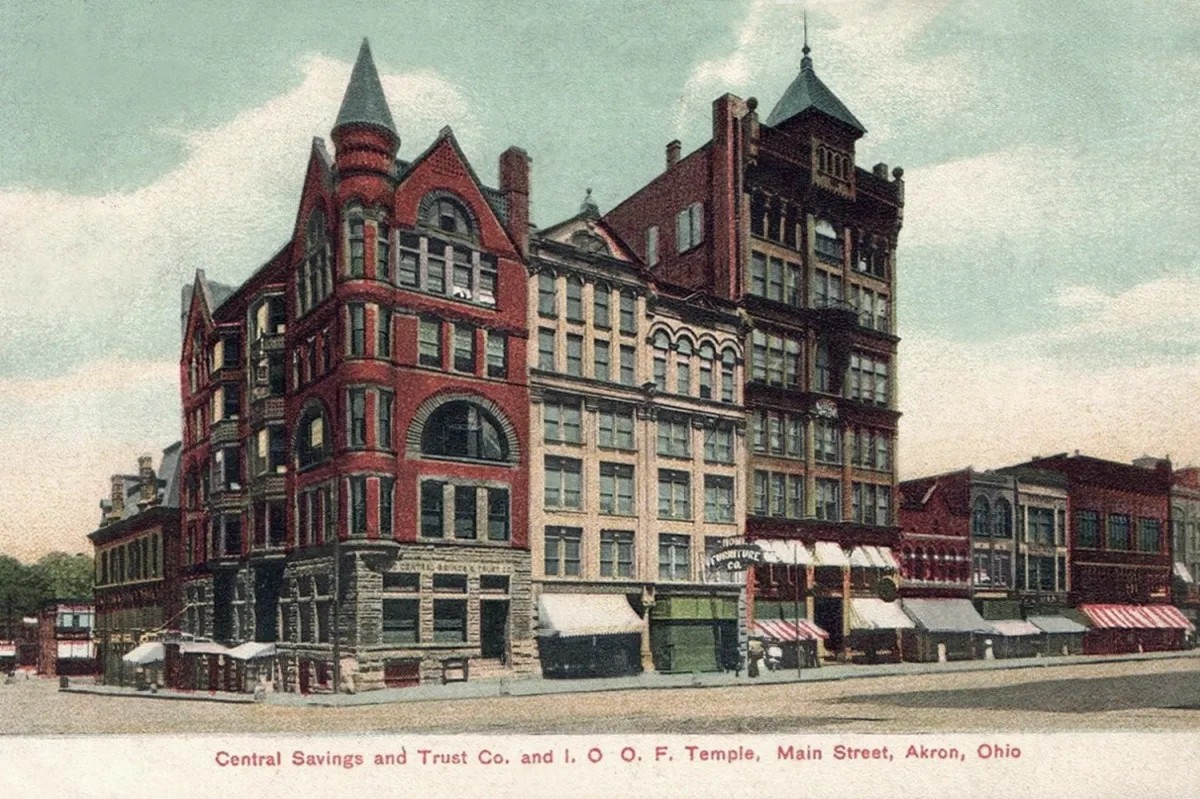 Photo: Akron Trust, via akron.thomconte.com
Building an Empire on Human Nature
The success of Akron Trust's experimental lending program attracted attention from financial institutions across the Midwest. By 1970, Henley had left the diner to establish Morrison-Henley Financial Consulting, specializing in consumer lending strategies for banks that wanted to serve working-class customers profitably.
Her approach revolutionized small-scale lending by focusing on relationship-based assessment rather than purely statistical analysis. Henley trained loan officers to recognize the reliability indicators she'd identified during her years at Mel's Diner: customers who maintained consistent spending patterns, who discussed financial decisions with family members, and who demonstrated what she called "practical money management"—the ability to make financial trade-offs that reflected genuine priorities rather than impulse or social pressure.
By 1980, Morrison-Henley had worked with over 200 financial institutions across 15 states, and their lending methodology had been adopted by community banks nationwide. Henley's notebooks from Mel's Diner had become the foundation for a new understanding of consumer credit that served millions of American families who had previously been excluded from traditional banking.
The Wisdom of the Witnessed Life
Henley's story reveals the extraordinary value of patient observation in ordinary places. While economists studied consumer behavior through surveys and statistics, she learned about financial decision-making by watching it happen in real time, in the unguarded moments when people revealed their true relationship with money.
Her success came not from having access to better data, but from recognizing that the most important data was hiding in plain sight, in the daily interactions between businesses and customers that everyone else treated as routine. She understood that financial behavior is fundamentally human behavior, and that the best place to study human behavior is wherever humans feel comfortable being themselves.
Most remarkably, Henley proved that expertise doesn't always come from formal education or professional training. Sometimes it comes from showing up consistently, paying attention carefully, and having the wisdom to recognize that the ordinary moments of daily life contain extraordinary insights for anyone patient enough to notice them.