Quarter by Quarter: The Broke Kid Who Mapped American Poverty From the Bottom Up
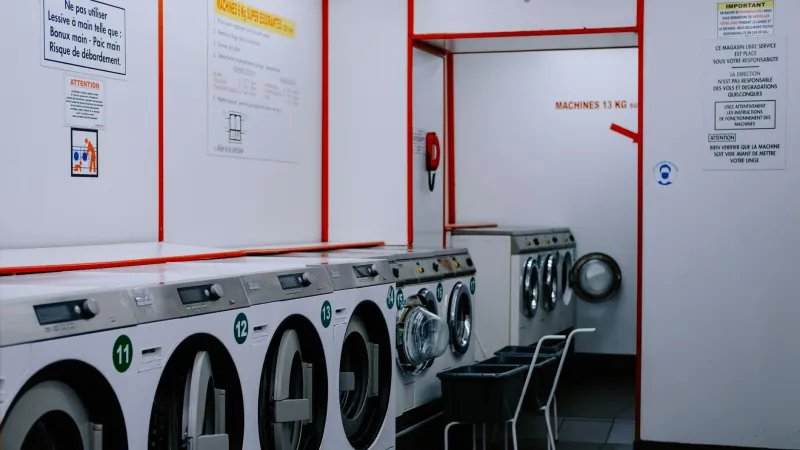
In the fall of 1961, Danny Pruitt was supposed to be starting his sophomore year at the University of Kentucky. Instead, he was driving a rusted-out Ford pickup through the coal hollows of eastern Kentucky, collecting quarters from coin-operated washing machines for a regional appliance company called Tri-County Laundry Services.
 Photo: University of Kentucky, via img0.etsystatic.com
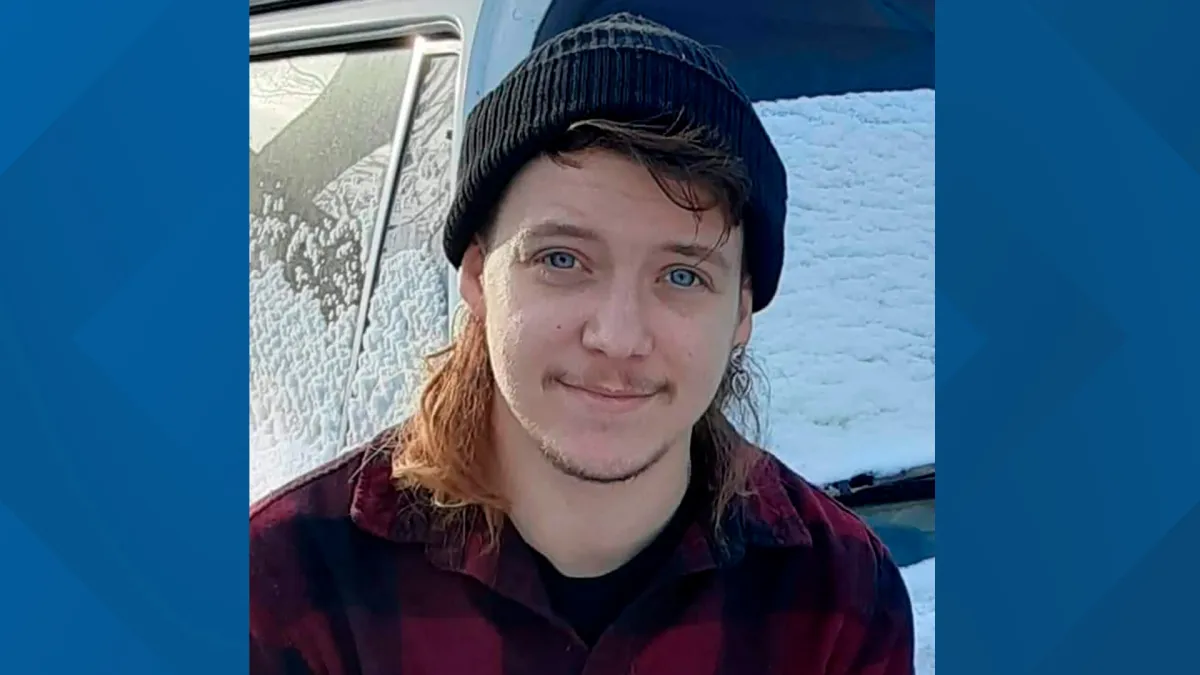 Photo: Danny Pruitt, via media.kens5.com
He wasn't studying poverty. He was living it.
And that, it turned out, made all the difference.
The Job Nobody Wanted
Tri-County had machines in forty-three locations — laundromats, church basements, general stores, and a handful of coal camp recreation halls that had seen better decades. Pruitt's job was simple: drive the circuit, unlock the coin boxes, count the take, restock the soap dispensers, and move on. He earned $1.10 an hour and slept in his truck three nights a week to save on gas money.
It was the kind of work that made you invisible. Store owners barely looked up. Customers shuffled past. Nobody talked to the coin man.
But Pruitt talked to them.
Maybe it was boredom. Maybe it was the social instinct of someone who had grown up in a big family in a small town. Whatever the reason, he started asking questions — friendly, casual questions while he wiped down machine doors and refilled soap slots. How's the week been? You working steady? Kids doing okay in school?
And people answered. Because nobody else was asking.
The Notebook
Sometime in the winter of 1962, Pruitt started writing things down. Not formally — he wasn't trained in research methods and wouldn't have known a regression analysis from a road map. He just bought a composition notebook from a dime store in Hazard, Kentucky, and started recording what he heard.
Which machines were busy and which ones sat idle told him something. The busiest machines weren't always in the poorest-looking locations. Sometimes the most worn-down storefronts had lines out the door on Fridays, because that's when the mine payroll cleared. Sometimes the nicer-looking facilities sat half-empty, because the community around them had quietly hollowed out — young people gone, old people too tired, nobody left with much laundry to do.
He noticed that women came in pairs or groups, rarely alone. He noticed that the soap dispensers ran out fastest in locations near schools. He noticed that coin activity spiked not at the beginning of the month — when welfare checks arrived — but about nine days later, after families had covered rent and groceries and had just enough left over for something that felt almost like normal life.
Nine days. That detail would matter later.
What the Credentialed Crowd Was Missing
In 1962, the federal government was deep in the early planning stages of what would eventually become Lyndon Johnson's War on Poverty. Economists and sociologists were churning out reports. Survey teams fanned out across Appalachian communities with clipboards and questionnaires. Academic institutions submitted grant proposals. The machinery of credentialed inquiry was running at full speed.
And it was producing some spectacular blind spots.
The prevailing assumption in most federal poverty research of the era was that poor communities spent erratically and without planning — that economic instability produced chaotic consumption patterns. It was a clean theory, and it fit certain ideological priors neatly. It also happened to be wrong, or at least dramatically incomplete.
What Pruitt's notebooks were capturing — without the language of economics or the structure of formal research — was something closer to the truth: that people living paycheck to paycheck often budgeted with extraordinary precision, timing discretionary spending down to the day, rationing small pleasures across the month with a discipline that wealthier observers rarely needed to develop.
The nine-day lag wasn't chaos. It was planning.
The Letter That Started Something
In 1964, Pruitt — by then running a small appliance repair shop in Corbin, Kentucky, and still keeping his notebooks — read a newspaper story about the newly created Office of Economic Opportunity. On an impulse he later described as equal parts hope and irritation, he wrote a letter to the OEO's regional office in Atlanta.
He wasn't asking for money or a job. He just wanted to share what he'd observed. He included twelve pages of handwritten notes, a rough hand-drawn map of his old coin circuit, and a summary of his spending-cycle observations.
The letter landed on the desk of a regional analyst named Carl Whitfield, who almost filed it in the trash. Instead, for reasons Whitfield never fully explained, he passed it up the chain.
Three months later, Pruitt got a phone call.
From the Truck to the Policy Table
What followed wasn't a movie moment. Pruitt didn't suddenly become a federal official or a celebrated researcher. The process was slow, bureaucratic, and often frustrating. But over the next several years, his observations — verified and expanded through follow-up field work that Pruitt himself helped design — quietly reshaped how the OEO approached community outreach timing, benefit disbursement scheduling, and the placement of social services.
The insight that spending patterns followed internal community rhythms rather than random impulse influenced how several pilot programs structured their delivery schedules. Benefits timed to align with those rhythms showed measurably better uptake. Communities that had been labeled as "hard to reach" turned out to be easy to reach — if you showed up when they were actually moving.
Pruitt's name never appeared in the final policy documents. That's not unusual. The people whose observations seed policy changes rarely get credited in the legislation that follows. But Carl Whitfield, in a 1978 oral history interview archived at the University of Kentucky, was specific about the debt.
"We had rooms full of economists," Whitfield said. "Danny Pruitt had forty-three washing machines and a composition notebook. He knew more about how those communities actually worked than anyone with a PhD I ever met."
The Odd Education
Pruitt eventually did go back to school — community college in his forties, a social work degree in his fifties. He spent his later years running a nonprofit that trained community health workers in rural Kentucky, insisting that they spend their first month just listening before they offered a single service.
He died in 2003, largely unknown outside a small circle of Appalachian social work practitioners who passed around photocopies of his original notebooks like something sacred.
What he understood — and what his story keeps reminding us — is that proximity to a problem is its own form of expertise. The researchers studying poverty from conference rooms in Washington were smart, credentialed, and well-funded. They were also, in a very specific and consequential way, too far away to see clearly.
Danny Pruitt was broke enough to get close. And close turned out to be everything.